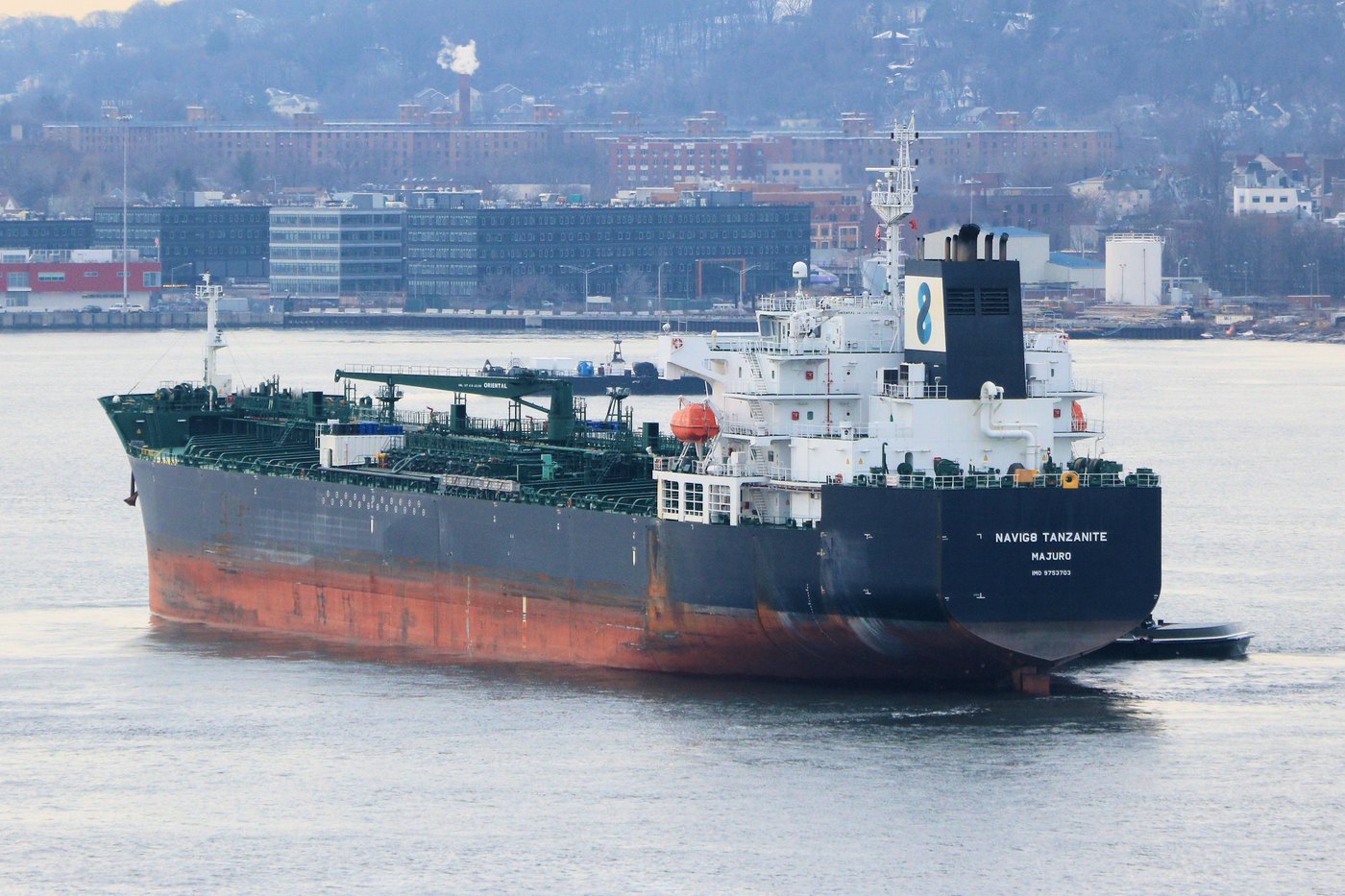
The weekend strike is a claim. The Red Sea door is still not declared open
Reuters reported Monday that oil slid to an 11-day low as traders priced in talk of U.S.-Iran diplomacy at this week's U.N. meeting and a partial recovery in Saudi shipments through Hormuz. At 8:54 a.m. ET, the November Brent contract was $101.18 a barrel, down $2.69, or 2.6 percent. The October WTI contract, which expires Tuesday, was $97.61, down $2.69, or 2.7 percent. The November WTI contract stood at $93.49.
Yemen's Houthis said they attacked sites in Riyadh and a Saudi Aramco facility in Yanbu on Saturday. Saudi authorities said they intercepted a ballistic missile aimed at Riyadh. They have not confirmed damage at Yanbu. Yanbu loadings were already suspended after last week's East-West pipeline attacks. Saudi Arabia has not posted a restart.
JPMorgan analysts said in a September 18 note that Middle East oil flows remain surprisingly strong despite the East-West disruption. They said satellite data showed Saudi oil moving through Hormuz at an average 2.9 million barrels a day over the past six days, up from 700,000 barrels a day in August. Libya's National Oil Corporation chairman Massoud Suleman told Reuters on Monday that Sharara has seen a partial production cut, without a reason.
No Canadian listed issuer posted a release on the tape. The oilsands book still feels this first: Canadian Natural (TSX: CNQ), Suncor (TSX: SU), Imperial (TSX: IMO), and Cenovus (TSX: CVE). This is tape. It does not change a 2026 production guide. It is not a Fortis close note, and it is not an LNG Canada FID.