The Red Sea door is loading. The strait is still not the story
Reuters reported Wednesday that oil rose after U.S. President Donald Trump denied he would ease sanctions on Iran, and after a recovery in Middle East supply the day before. At 07:08 a.m. Saudi time, the November Brent contract, which expires Wednesday, was $103.30 a barrel, up 71 cents, or 0.69 percent. The more active December Brent contract was $96.51, up 35 cents. WTI was $89.81, up 43 cents, or 0.48 percent.
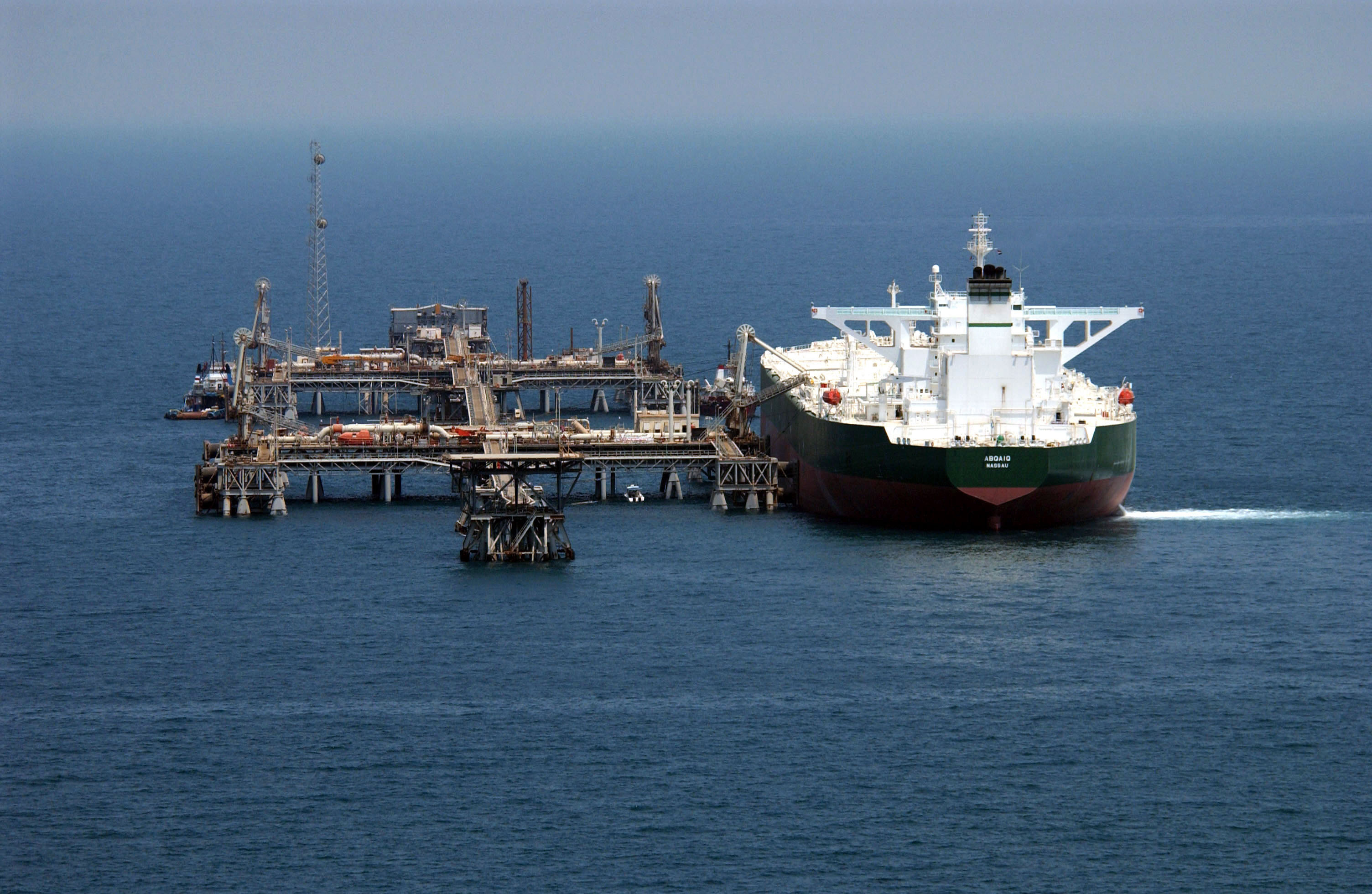
On Tuesday, Reuters said Saudi Arabia resumed tanker loadings at Yanbu after East-West pipeline operations restarted. Trade sources and shipping data are the basis. Aramco has not posted a full return to the line’s rated capacity. Two trade sources put Yanbu crude loadings at about 2 million barrels a day since last week. Kpler put pipeline throughput around 2.65 million barrels a day and said a return toward the pre-attack rate could still take another month. TankerTrackers.com, citing ESA satellite imagery from Sept. 27, said nearly 10 million barrels were loading at Yanbu and Al Muajjiz.
Brent is headed for a monthly gain of about 14 percent, Reuters said, its biggest climb since July. WTI is on track for a 4 percent rise after having breached $106 earlier this month. JPMorgan research, cited by Reuters, said regional exports are now about 11 percent below pre-war levels with East-West flows restored.
This is a seaborne print. It is not a reopened Strait of Hormuz, not a Canadian issuer note, and not first oil from an oilsands well.